
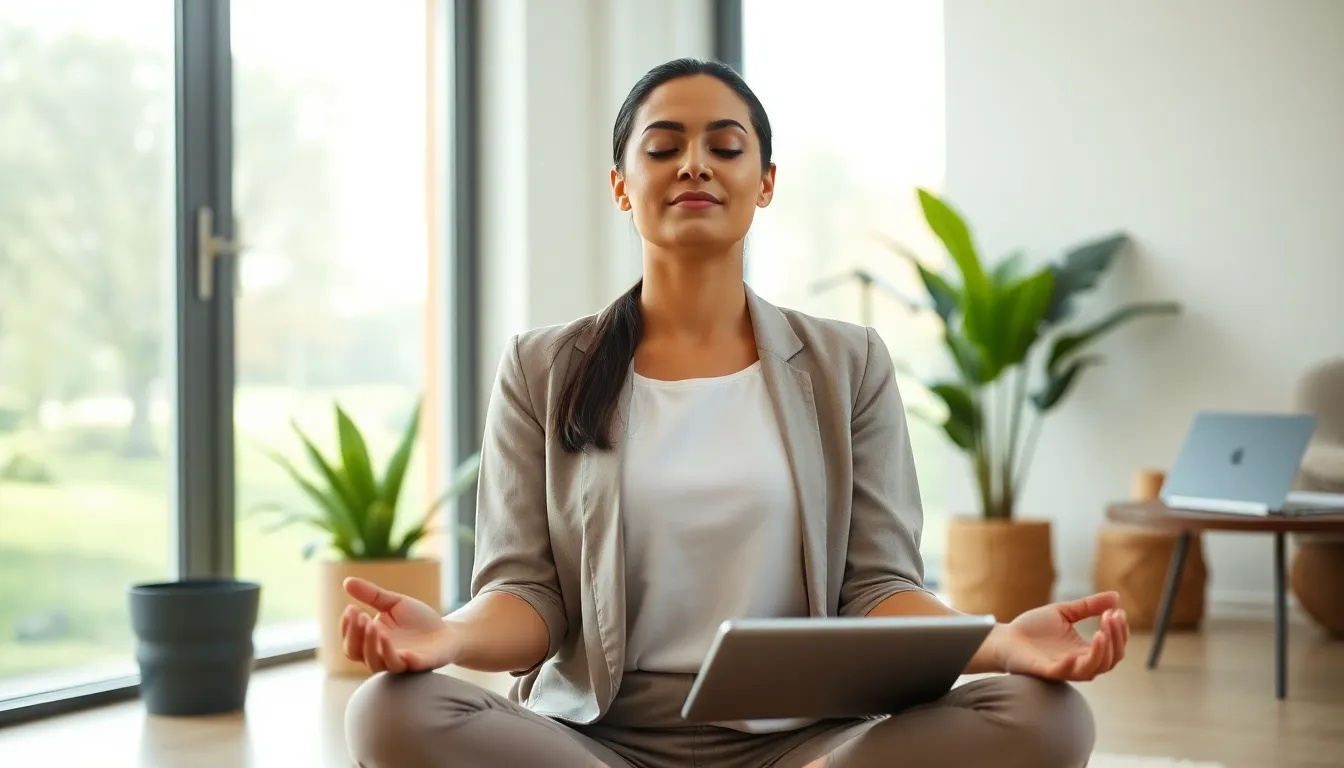
Top mindfulness practices help people reduce stress, sharpen focus, and find calm in busy lives. These techniques have gained popularity because they work. Research shows that mindfulness improves mental clarity, emotional regulation, and overall well-being. Whether someone is new to mindfulness or looking to deepen their practice, the right techniques can make a real difference. This guide covers proven mindfulness practices that anyone can start using today.
Table of Contents
ToggleKey Takeaways
- Top mindfulness practices like breathing exercises, body scans, and mindful movement reduce stress and improve mental clarity.
- Box breathing and 4-7-8 breathing techniques activate the body’s calming response and can be done anywhere in just two minutes.
- Body scan meditation releases stored tension and has been shown to reduce inflammation and improve sleep quality.
- Mindful movement options like yoga, tai chi, and mindful walking offer effective alternatives for those who struggle with seated meditation.
- Integrating mindfulness into daily activities—eating, listening, and single-tasking—creates lasting mental health benefits.
- Consistency matters more than session length; small mindfulness practices throughout the day are more sustainable than occasional long sessions.
What Is Mindfulness and Why Does It Matter
Mindfulness is the practice of paying attention to the present moment without judgment. It involves noticing thoughts, feelings, and sensations as they arise. The goal is awareness, not perfection.
This practice matters because most people spend their days on autopilot. They worry about the future or replay the past. Mindfulness practices break this cycle by anchoring attention to the here and now.
Studies from institutions like Harvard and Johns Hopkins confirm the benefits. Regular mindfulness practice reduces anxiety, lowers cortisol levels, and improves sleep quality. It also strengthens the prefrontal cortex, the brain region responsible for decision-making and focus.
Mindfulness isn’t about emptying the mind or achieving some mystical state. It’s a practical skill. Like any skill, it improves with practice. People who commit to mindfulness practices often report feeling less reactive and more in control of their responses to stress.
The beauty of mindfulness is its accessibility. No special equipment is needed. No gym membership. Just a willingness to pay attention.
Breathing Exercises for Instant Calm
Breathing exercises rank among the most effective mindfulness practices for quick stress relief. They work because breath directly affects the nervous system. Slow, deep breaths activate the parasympathetic response, which calms the body.
Box Breathing
Box breathing is simple and effective. Inhale for four counts, hold for four counts, exhale for four counts, and hold again for four counts. Repeat this cycle four to six times. Navy SEALs use this technique to stay calm under pressure.
4-7-8 Breathing
Developed by Dr. Andrew Weil, this method promotes relaxation. Inhale through the nose for four counts. Hold for seven counts. Exhale slowly through the mouth for eight counts. This technique helps with sleep and acute anxiety.
Diaphragmatic Breathing
Also called belly breathing, this practice engages the diaphragm rather than shallow chest breathing. Place one hand on the chest and one on the belly. Breathe so the belly rises while the chest stays still. This signals safety to the brain.
These breathing-based mindfulness practices can be done anywhere. In a meeting. Before a difficult conversation. During a commute. Even two minutes of focused breathing changes the body’s stress response.
Body Scan Meditation
Body scan meditation is one of the foundational mindfulness practices taught in clinical settings. It builds awareness of physical sensations and helps release stored tension.
To perform a body scan, lie down or sit comfortably. Close the eyes. Start by focusing attention on the toes. Notice any sensations, tingling, warmth, tightness, or nothing at all. Then move attention slowly up through the feet, ankles, calves, and so on. Continue until reaching the top of the head.
This process typically takes 10 to 20 minutes. Some people prefer guided recordings, especially when starting out.
Body scan meditation works because the mind and body are connected. Stress often manifests as physical tension, tight shoulders, clenched jaw, shallow breathing. By systematically checking in with each body part, practitioners often discover tension they didn’t know they were holding.
Research published in the journal Psychosomatic Medicine found that body scan meditation reduces inflammation markers in the body. Participants also reported improved mood and reduced anxiety.
This practice is particularly useful before bed. It helps transition the body from an active state to rest. Many people find they fall asleep faster and sleep more deeply after a body scan.
Mindful Movement and Walking
Not all mindfulness practices require sitting still. Mindful movement offers an alternative for people who find seated meditation difficult.
Mindful Walking
Mindful walking involves paying close attention to the act of walking. Notice the feet lifting, moving forward, and touching the ground. Feel the shift in weight from one leg to the other. Observe the surroundings without getting lost in thought.
This practice can happen anywhere, a park, a hallway, even pacing in a small room. Speed doesn’t matter. Awareness does.
Yoga as Mindfulness
Yoga combines physical movement with breath awareness. Each pose invites attention to body alignment, muscle engagement, and breathing. This makes yoga one of the most popular mindfulness practices worldwide.
Even simple stretches become mindful when done with full attention. The key is staying present rather than rushing through movements.
Tai Chi and Qigong
These ancient Chinese practices involve slow, deliberate movements coordinated with breathing. They improve balance, reduce stress, and cultivate inner calm. Studies show tai chi reduces symptoms of depression and anxiety in older adults.
Mindful movement suits people who feel restless during seated meditation. It proves that stillness of mind doesn’t require stillness of body.
Integrating Mindfulness Into Daily Life
The real power of mindfulness practices comes from consistency. Formal meditation sessions help, but informal practice throughout the day creates lasting change.
Mindful Eating
Eat one meal per day without screens or distractions. Notice the colors, textures, and flavors of food. Chew slowly. This improves digestion and helps prevent overeating.
Mindful Listening
During conversations, focus fully on the speaker. Resist the urge to plan a response while they’re talking. This deepens connections and improves relationships.
Single-Tasking
Multitasking splits attention and increases stress. Pick one task and give it complete focus. When the mind wanders, gently bring it back. This is mindfulness in action.
Transition Moments
Use transitions as mindfulness cues. Before starting the car, take three deep breaths. When the phone rings, pause before answering. These small moments add up.
Mindfulness Apps
Apps like Headspace, Calm, and Insight Timer offer guided mindfulness practices for beginners and experienced practitioners. They provide structure and reminders, which help build habits.
The goal is making mindfulness a way of life, not just something done on a meditation cushion. Small doses throughout the day often prove more sustainable than long sessions.