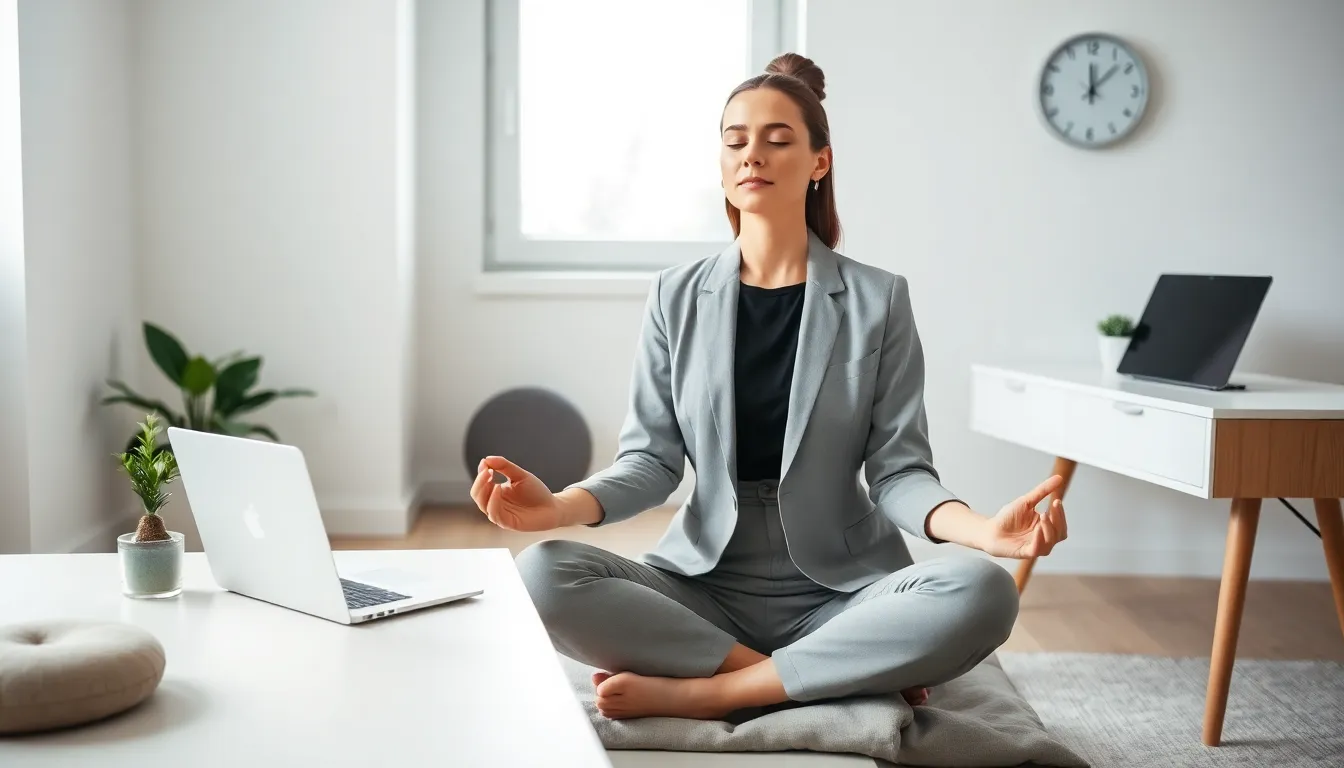

What is mindfulness practices, and why does everyone from CEOs to kindergarten teachers seem to be talking about them? At its core, mindfulness is the act of paying attention to the present moment without judgment. It sounds simple, almost too simple. But in a world full of notifications, deadlines, and mental clutter, staying present has become surprisingly difficult. Mindfulness practices offer a way to train attention and calm the mind. They don’t require special equipment, a spiritual background, or hours of free time. This guide breaks down what mindfulness practices are, where they come from, and how beginners can get started today. Key Takeaways Understanding Mindfulness and Its Origins Mindfulness practices trace their roots back over 2,500 years to Buddhist meditation traditions. The term “mindfulness” is a translation of the Pali word sati, which means awareness or attention. Early practitioners used mindfulness as part of a path toward spiritual awakening and freedom from suffering. In the 1970s, Jon Kabat-Zinn brought mindfulness to Western medicine. He founded the Mindfulness-Based Stress Reduction (MBSR) program at the University of Massachusetts Medical School. His work stripped away religious elements and focused on the practical benefits of present-moment awareness. This shift made mindfulness practices accessible

The best mindfulness practices help people reduce stress, improve focus, and feel more present in their daily lives. Research shows that regular mindfulness practice can

Mindfulness practices tips can transform how people experience their daily lives. Even small reminders—whether through journal prompts, promotional pens, or meditation apps—can help anchor your

Top mindfulness practices help people reduce stress, sharpen focus, and find calm in busy lives. These techniques have gained popularity because they work. Research shows

Mindfulness practices trends 2026 are reshaping how people approach mental wellness. Technology, workplace culture, and community connection are driving significant changes in meditation and mindfulness

Mindfulness practices have become a go-to solution for stress, focus, and emotional balance. But here’s where things get confusing: people often use “mindfulness” and “meditation”

Mindfulness practices offer a proven path to reduced stress and greater mental clarity. These techniques help people stay grounded in the present moment rather than