Mindfulness practices trends 2026 are reshaping how people approach mental wellness. Technology, workplace culture, and community connection are driving significant changes in meditation and mindfulness adoption. From AI-powered apps to corporate wellness programs, the mindfulness industry continues to grow and evolve. This article explores the key mindfulness practices trends 2026 will bring, offering insights into what practitioners, businesses, and wellness seekers can expect in the coming year.
Table of Contents
ToggleKey Takeaways
- AI-powered mindfulness tools are personalizing meditation by analyzing biometrics like heart rate and sleep data to deliver customized sessions.
- Workplace mindfulness programs are becoming standard in 2026, with companies offering meditation rooms, app subscriptions, and scheduled pause moments to boost productivity.
- Fitness and mindfulness are merging through mindful strength training, breath-focused running, and wearable stress tracking during workouts.
- Data-driven personalization is replacing generic meditation guidance, using voice analysis and long-term pattern tracking to tailor experiences.
- Community-based mindfulness practices are surging, with local groups, virtual meditation rooms, and family programs driving shared wellness experiences.
- Mindfulness practices trends 2026 show a clear shift toward accessible, technology-enhanced, and socially connected approaches to mental wellness.
The Rise of AI-Powered Mindfulness Tools
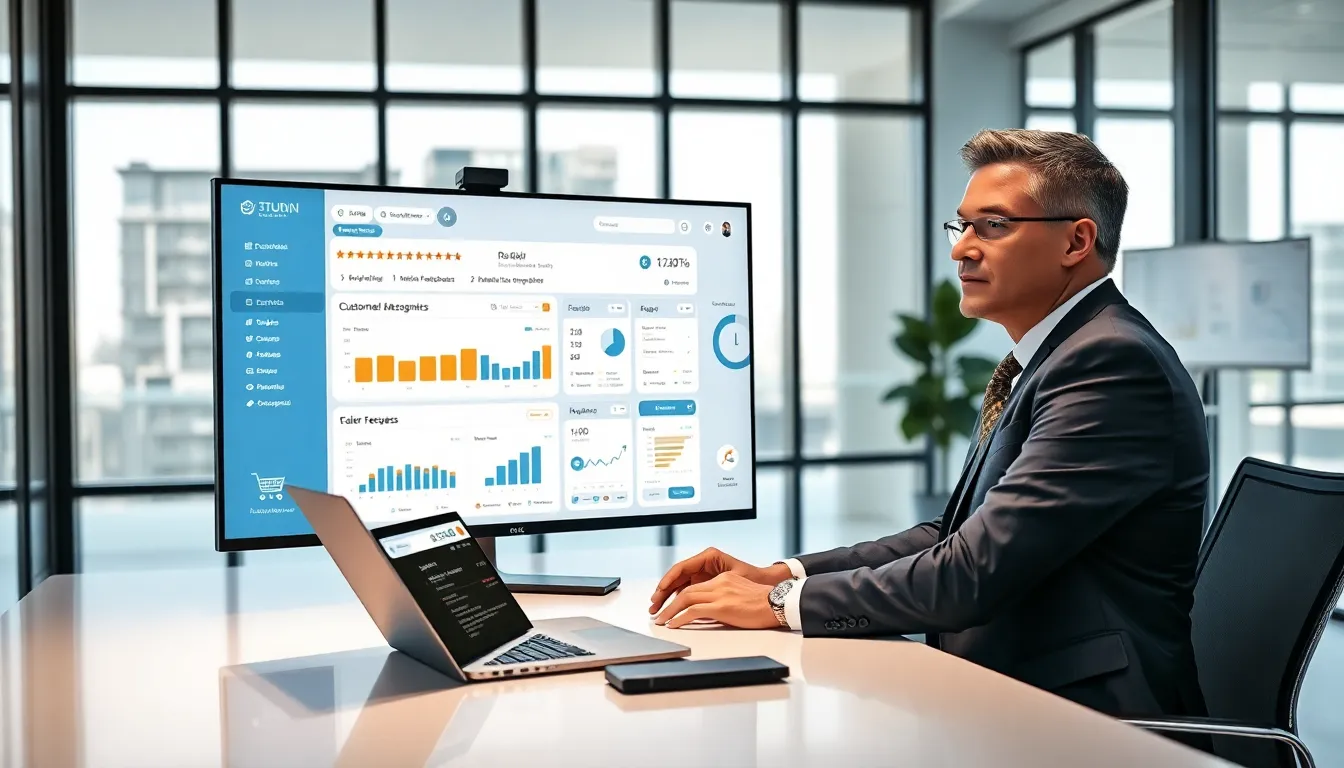
Artificial intelligence is transforming mindfulness practices trends 2026 in meaningful ways. Smart meditation apps now analyze user behavior, stress patterns, and sleep data to recommend specific sessions. These tools adapt in real-time, adjusting guided meditations based on heart rate variability and breathing patterns.
Companies like Calm, Headspace, and newer startups are integrating machine learning algorithms into their platforms. Users receive customized content that responds to their emotional state and daily schedule. An AI system might suggest a five-minute breathing exercise before a stressful meeting or a longer body scan session after detecting poor sleep quality.
Voice-activated mindfulness assistants are also gaining traction. People can simply ask their smart speaker for a quick grounding exercise without opening an app. This frictionless access makes mindfulness more accessible throughout the day.
The technology isn’t replacing human teachers, it’s extending their reach. AI handles the personalization while human experts create the core content and training frameworks. This combination delivers scale without sacrificing authenticity.
Workplace Mindfulness Programs Go Mainstream
Corporate mindfulness programs are becoming standard practice rather than optional perks. Mindfulness practices trends 2026 show a clear shift toward employer-sponsored mental wellness initiatives. Companies recognize that stressed employees cost money through absenteeism, turnover, and reduced productivity.
Major organizations now offer dedicated meditation rooms, app subscriptions, and paid mindfulness breaks. Some companies schedule company-wide “pause moments” where entire teams practice breathing exercises together. HR departments track participation rates and measure impact on employee satisfaction scores.
The approach is practical rather than philosophical. Employers frame mindfulness as a performance tool, similar to physical fitness benefits. This positioning reduces stigma and increases participation among skeptical employees.
Small and mid-sized businesses are following the lead of larger corporations. Affordable group licensing deals make premium mindfulness apps accessible to companies with limited wellness budgets. Virtual sessions allow remote workers to participate regardless of location.
Research continues to support these investments. Studies link regular mindfulness practice to improved focus, better decision-making, and stronger emotional regulation, all valuable workplace skills.
Integration of Mindfulness With Physical Fitness
Fitness and mindfulness are merging in interesting ways. Mindfulness practices trends 2026 reveal growing demand for workouts that combine physical movement with mental training. This integration goes beyond traditional yoga or tai chi.
Gyms and fitness studios now offer “mindful strength training” classes where participants focus on breath awareness during weightlifting. Running coaches teach meditation techniques for endurance events. Even high-intensity interval training programs include brief mindfulness segments between sets.
Wearable technology supports this integration. Fitness trackers display real-time stress metrics alongside heart rate data. Users can see how their mental state affects physical performance. Some devices prompt breathing exercises when stress levels spike during workouts.
Recovery practices are getting the mindfulness treatment too. Athletic programs incorporate body scan meditations for muscle recovery awareness. Professional sports teams hire mindfulness coaches alongside physical trainers.
The combination makes sense from a physiological standpoint. Stress hormones interfere with physical recovery and performance. Athletes who manage stress effectively gain competitive advantages. This practical benefit drives adoption among fitness enthusiasts who might otherwise dismiss mindfulness as too “soft.”
Personalized and Data-Driven Meditation Experiences
Data is reshaping mindfulness practices trends 2026 in significant ways. Generic meditation guidance is giving way to highly personalized experiences. Apps and wearables collect biometric information to customize every session.
Heart rate variability, sleep patterns, activity levels, and even location data inform meditation recommendations. Someone with poor sleep might receive a body relaxation exercise before bed. A user showing high stress during work hours gets quick calming techniques suited to office environments.
Some platforms analyze voice patterns to assess emotional states. Users speak briefly before a session, and the system selects content matching their current mood. This removes the burden of self-assessment, technology handles the analysis.
Long-term tracking creates another layer of personalization. Apps identify patterns over weeks and months. They might notice that a user benefits more from nature sounds than silence, or that ten-minute sessions work better than twenty-minute ones for a particular individual.
Privacy concerns accompany this data collection. Leading platforms address these worries through transparent data policies and on-device processing. Users want personalization but also control over their sensitive health information.
The goal is simple: make mindfulness work better for each individual. One-size-fits-all approaches often fail because they ignore personal preferences and needs. Data-driven customization solves this problem.
Community-Based and Group Mindfulness Practices
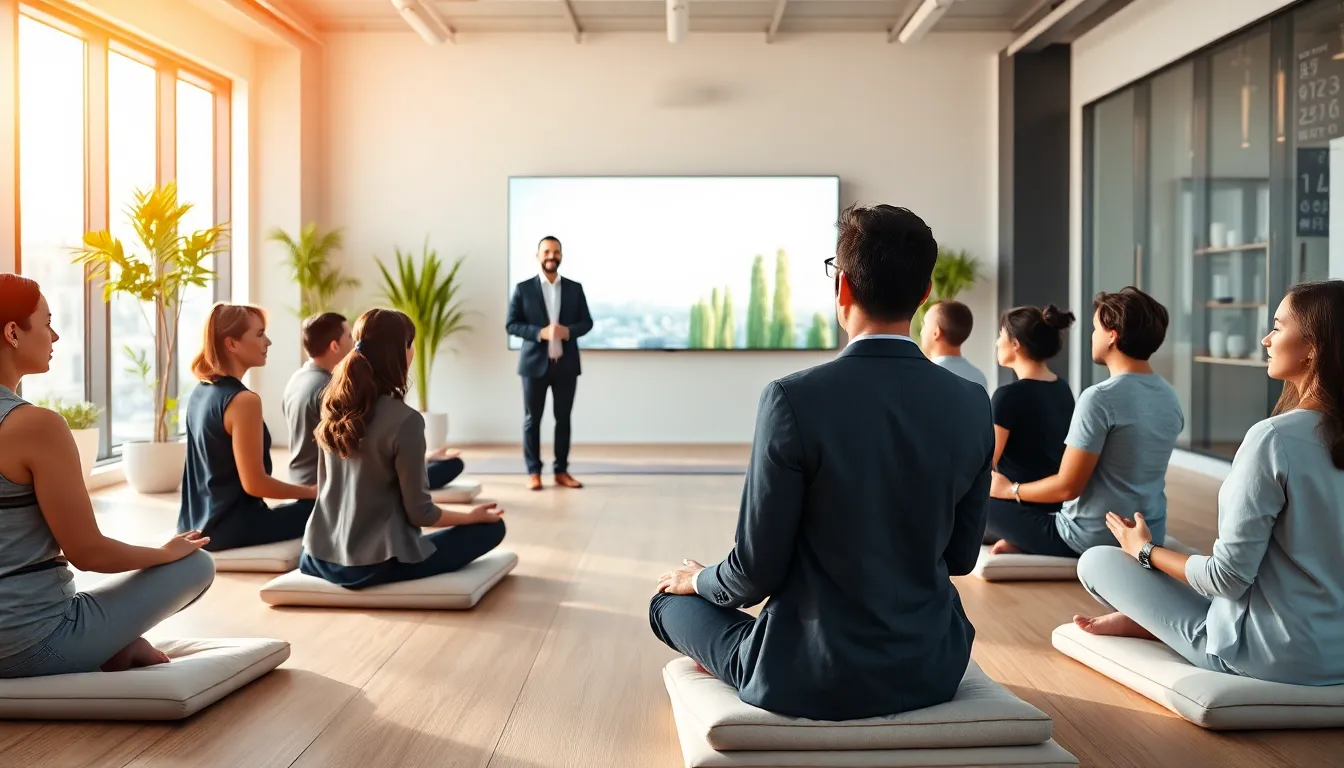
Solo meditation remains popular, but group practice is experiencing a resurgence. Mindfulness practices trends 2026 highlight growing interest in shared experiences and community connection.
Local meditation groups meet in parks, community centers, and rented spaces. These gatherings attract people who find individual practice difficult to maintain. The accountability and social aspects keep participants engaged over time.
Online communities expand access beyond geographic boundaries. Virtual meditation rooms allow people from different countries to practice together. Some platforms feature live sessions with hundreds of simultaneous participants. The shared experience creates connection even though physical distance.
Mindfulness retreats are evolving too. Weekend experiences and day-long programs attract newcomers who aren’t ready for intensive week-long commitments. Affordable retreat options make these experiences accessible to more people.
Family mindfulness programs address a growing demand. Parents want to share practices with their children. Schools integrate mindfulness into curricula, creating shared vocabulary between home and classroom. This approach normalizes mental wellness from an early age.
The community trend reflects a broader recognition: mindfulness benefits extend beyond individual stress relief. Shared practice builds empathy, improves communication, and strengthens relationships.