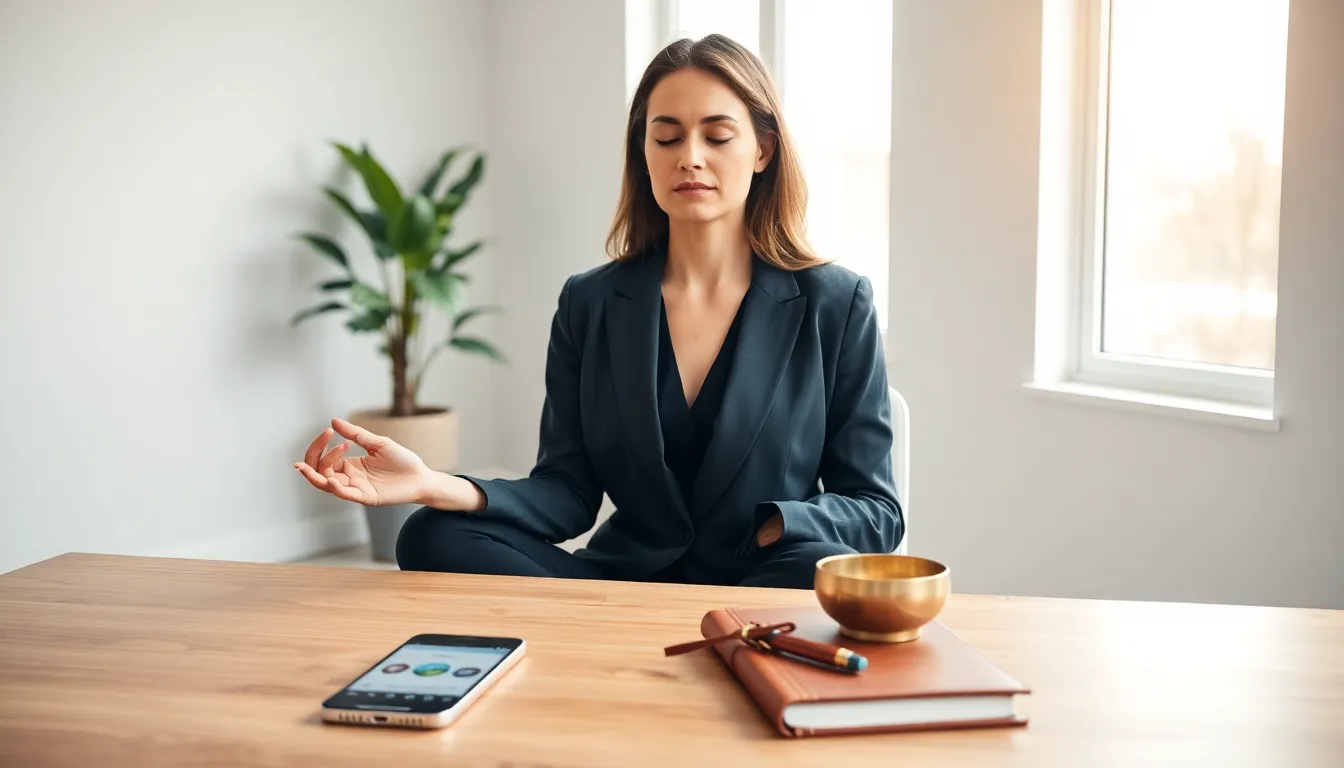
Mindfulness practices tools help people build focus, reduce stress, and stay present throughout the day. These resources range from smartphone apps to physical objects like meditation cushions and breathing devices. Whether someone is new to mindfulness or has practiced for years, the right tools can make a real difference.
This guide covers the most effective mindfulness practices tools available today. Readers will learn about digital apps, physical aids, and simple techniques that require nothing but attention. Each section offers practical options that fit into busy schedules and different lifestyles.
Table of Contents
ToggleKey Takeaways
- Mindfulness practices tools—including apps, cushions, breathing devices, and journals—help build consistency and reduce the 78% of adults experiencing regular stress symptoms.
- Popular meditation apps like Headspace, Calm, and Insight Timer offer guided sessions, progress tracking, and customizable reminders for daily practice.
- Physical tools such as meditation cushions, singing bowls, and breathing pacers engage the senses and create dedicated rituals that deepen awareness.
- Free techniques like box breathing, the 5-4-3-2-1 grounding method, and mindful walking require no equipment and work anywhere.
- Research shows app-based mindfulness programs can reduce anxiety symptoms by 23% over eight weeks, especially with daily practice.
- Choosing the right mindfulness practices tools depends on personal goals—whether managing stress, improving sleep, or building emotional well-being.
What Are Mindfulness Tools and Why They Matter
Mindfulness tools are any resource that supports present-moment awareness. They include apps, timers, journals, cushions, and breathing aids. Some tools guide users through meditation sessions. Others help track habits or create calming environments.
These mindfulness practices tools matter because consistency is hard. Most people struggle to maintain a daily practice without support. A 2023 study from the American Psychological Association found that 78% of adults report regular stress symptoms. Tools provide structure and reminders that keep people on track.
The right tools also lower the barrier to entry. Beginners often feel unsure about how to meditate or practice mindfulness correctly. Guided resources remove that confusion. They offer clear instructions and gentle prompts that build confidence over time.
Mindfulness practices tools serve different purposes depending on the user. Some people need help quieting racing thoughts. Others want to improve sleep or manage anxiety. Certain tools work better for specific goals. A breathing pacer, for example, helps with stress response. A gratitude journal supports emotional well-being. Understanding these differences helps users choose wisely.
Digital Apps for Guided Meditation
Smartphone apps have become the most popular mindfulness practices tools. They offer convenience and variety that physical resources can’t match. Users can access hundreds of guided meditations from their pocket.
Headspace remains one of the most recognized options. It offers structured courses for beginners and themed sessions for specific needs like focus, sleep, and stress relief. The app uses friendly animations and clear instruction.
Calm takes a different approach with nature sounds, sleep stories, and celebrity-narrated content. It appeals to users who want a more relaxed, ambient experience. The app also includes breathing exercises and daily reminders.
Insight Timer stands out because it’s largely free. It hosts over 100,000 guided meditations from teachers worldwide. Users can filter by length, topic, and style. The community features let practitioners connect with others.
Ten Percent Happier targets skeptics. It features interviews with meditation teachers and practical advice from journalist Dan Harris. The tone is down-to-earth and avoids spiritual jargon.
These digital mindfulness practices tools share common features. Most include session timers, progress tracking, and customizable reminders. Many offer offline downloads for use without internet access. Premium subscriptions typically cost between $60 and $100 per year, though free options exist across all platforms.
Research supports their effectiveness. A 2022 study published in JMIR Mental Health found that app-based mindfulness programs reduced anxiety symptoms by 23% over eight weeks. Users who practiced daily saw the strongest results.
Physical Tools to Enhance Your Practice
Physical mindfulness practices tools create dedicated spaces and rituals for awareness. They engage the senses in ways that digital tools cannot.
Meditation Cushions and Benches
A quality cushion (called a zafu) supports proper posture during seated meditation. It elevates the hips above the knees and reduces strain on the back. Meditation benches offer an alternative for those who find cross-legged sitting uncomfortable. Prices range from $30 to $100 for well-made options.
Singing Bowls and Bells
Tibetan singing bowls produce resonant tones that signal the start and end of practice sessions. The sound itself becomes a focus point. Practitioners can follow the tone as it fades, training attention in a simple way. Bells serve a similar purpose and work well for shorter practice periods.
Breathing Pacers
Devices like the Moonbird or Dodow guide breathing rhythm through gentle light or haptic feedback. They help users achieve coherent breathing patterns that activate the parasympathetic nervous system. These mindfulness practices tools work especially well for stress reduction and pre-sleep routines.
Journals and Trackers
Mindfulness journals prompt users to record thoughts, gratitude lists, or daily intentions. Writing by hand engages different brain regions than typing. Many practitioners find that journaling deepens their awareness throughout the day. Popular options include The Five Minute Journal and Mindfulness: A Day and Night Reflection Journal.
Aromatherapy and Sensory Aids
Essential oil diffusers and scented candles create calming environments. Specific scents like lavender and chamomile have documented relaxation effects. These tools work as environmental cues that signal the brain to shift into a calmer state.
Simple Techniques You Can Use Anywhere
The most accessible mindfulness practices tools require no purchase at all. Simple techniques work anywhere, at a desk, on public transit, or waiting in line.
Box Breathing
This technique involves four equal phases: inhale for four counts, hold for four counts, exhale for four counts, hold for four counts. Navy SEALs use box breathing to manage stress in high-pressure situations. Anyone can practice it silently without drawing attention.
The 5-4-3-2-1 Grounding Method
This exercise uses the senses to anchor attention to the present moment. Users identify five things they can see, four they can touch, three they can hear, two they can smell, and one they can taste. It breaks anxiety spirals and redirects focus to immediate surroundings.
Body Scan
A body scan involves moving attention slowly from head to toe, noticing sensations without judgment. It can take anywhere from two to twenty minutes. This technique builds awareness of physical tension patterns and promotes relaxation.
Mindful Walking
Walking meditation turns ordinary movement into mindfulness practice. Practitioners pay close attention to the sensation of each step, the lift, the movement, the placement. It works well for people who find seated meditation difficult.
Single-Tasking
This technique involves giving full attention to one activity at a time. Eating without screens. Listening without forming responses. Working without browser tabs open. Single-tasking transforms routine moments into mindfulness opportunities.
These free mindfulness practices tools often become the foundation of lasting habits. They require no equipment, no subscriptions, and no special training. Users can start immediately and practice as situations arise throughout the day.