
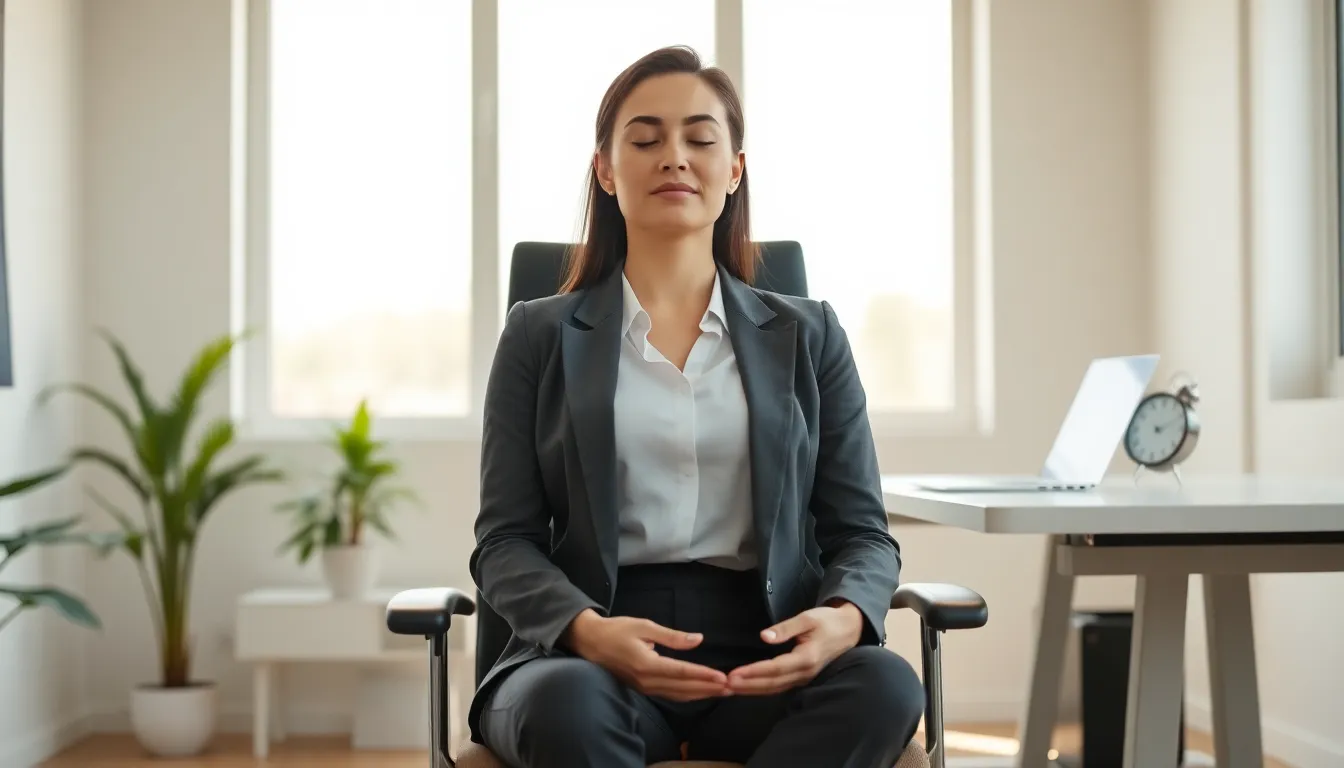
Mindfulness practices techniques offer a practical path to reduce stress and improve mental clarity. These methods help people stay present, manage emotions, and build resilience against daily pressures. Research from Harvard Medical School shows that regular mindfulness practice changes brain structure in areas linked to memory, empathy, and stress regulation.
This guide covers proven mindfulness techniques that anyone can start using today. Whether someone has five minutes or thirty, these approaches fit into busy schedules without requiring special equipment or training. The key lies in consistency and finding methods that match individual preferences and lifestyles.
Table of Contents
ToggleKey Takeaways
- Mindfulness practices techniques help reduce stress, improve focus, and build emotional resilience through consistent daily practice.
- Breathing exercises like the 4-7-8 or box breathing method activate your relaxation response and can be done anywhere in just a few minutes.
- Body scan meditation increases awareness of physical tension and promotes deep relaxation in 15–45 minutes.
- Start with just 5 minutes of daily mindfulness practice and gradually increase duration as the habit becomes natural.
- Link your practice to existing routines and set environmental cues to build a sustainable mindfulness habit.
- Brief mindfulness moments throughout the day—like three conscious breaths before checking email—reinforce formal practice and extend benefits.
What Is Mindfulness and Why It Matters
Mindfulness is the practice of paying attention to the present moment without judgment. It involves noticing thoughts, feelings, and physical sensations as they occur. Rather than dwelling on past events or worrying about future outcomes, mindfulness practices techniques anchor awareness in the here and now.
The benefits of mindfulness extend across mental and physical health. Studies published in JAMA Internal Medicine found that mindfulness meditation programs reduced anxiety, depression, and pain. Regular practitioners report better sleep quality, improved focus, and stronger emotional regulation.
Mindfulness matters because modern life pulls attention in countless directions. Phones buzz with notifications. Work demands pile up. Social obligations compete for time. This constant stimulation creates chronic stress that affects health, relationships, and productivity. Mindfulness practices techniques provide a counterbalance, a way to step back and regain mental space.
The science behind mindfulness shows measurable changes in the brain. MRI scans reveal increased gray matter density in the hippocampus after eight weeks of regular practice. The amygdala, which processes fear and anxiety, shows reduced activity. These physical changes translate into real-world improvements in how people handle stress and make decisions.
Mindfulness isn’t about emptying the mind or achieving some blissful state. It’s simply about paying attention on purpose. Anyone can learn these skills regardless of age, background, or belief system.
Essential Mindfulness Techniques for Beginners
Starting a mindfulness practice doesn’t require expensive retreats or hours of free time. The most effective mindfulness practices techniques are simple, accessible, and can be done anywhere. Two foundational methods give beginners a solid starting point.
Breathing Exercises
Breathing exercises form the cornerstone of most mindfulness practices techniques. The breath provides an anchor for attention, something always present and available.
The basic technique works like this: Sit comfortably with a straight spine. Close the eyes or soften the gaze downward. Breathe naturally and notice the sensation of air entering and leaving the body. When the mind wanders (and it will), gently return attention to the breath.
A popular variation is the 4-7-8 technique. Inhale through the nose for four counts. Hold the breath for seven counts. Exhale through the mouth for eight counts. This pattern activates the parasympathetic nervous system and triggers a relaxation response.
Box breathing offers another option. Inhale for four counts, hold for four counts, exhale for four counts, hold again for four counts. Navy SEALs use this method to stay calm under pressure. It works equally well before a job interview or during a difficult conversation.
Start with just two to three minutes of breathing exercises. Gradually extend the duration as the practice becomes more comfortable. The goal isn’t perfection, it’s simply returning attention to the breath each time it drifts.
Body Scan Meditation
Body scan meditation builds awareness of physical sensations throughout the body. This technique helps identify areas of tension and promotes relaxation.
To practice, lie down or sit in a comfortable position. Begin by focusing attention on the feet. Notice any sensations, warmth, tingling, pressure, or nothing at all. Spend about 30 seconds on each area before moving upward.
Progress through the ankles, calves, knees, thighs, hips, abdomen, chest, hands, arms, shoulders, neck, and face. At each point, simply observe without trying to change anything. If tension exists, acknowledge it and continue.
Body scan meditation typically takes 15 to 45 minutes for a complete practice. Shorter versions focus on key areas like the shoulders, jaw, and forehead where stress commonly accumulates.
These mindfulness practices techniques work well together. Many practitioners start with breathing exercises to settle the mind, then move into a body scan for deeper relaxation.
How to Build a Daily Mindfulness Practice
Knowing mindfulness practices techniques is one thing. Actually doing them consistently is another. Building a sustainable daily practice requires strategy and realistic expectations.
Start small, really small. Five minutes per day creates more lasting change than sporadic hour-long sessions. The brain responds to regular repetition. Even brief daily practice strengthens neural pathways associated with attention and emotional regulation.
Choose a specific time and place for practice. Morning works well for many people because the mind is fresh and fewer distractions compete for attention. Others prefer evening practice as a way to decompress after work. The best time is whatever time actually happens.
Create environmental cues that trigger the habit. Place a meditation cushion in a visible spot. Set a daily phone reminder. Link the practice to an existing routine, meditate right after brushing teeth or before the morning coffee.
Track progress without obsessing over it. A simple calendar with X marks for completed days provides visual motivation. Many apps also track streaks and offer guided sessions for different mindfulness practices techniques.
Expect resistance. The mind generates countless excuses to skip practice: too tired, too busy, not working anyway. These thoughts are normal. Notice them, then practice anyway. Motivation follows action more often than the reverse.
Gradually expand the practice over weeks and months. Add a few minutes once the current duration feels easy. Experiment with different mindfulness practices techniques to find what resonates. Some people love body scans: others prefer walking meditation or mindful eating.
Integrate brief mindfulness moments throughout the day. Take three conscious breaths before checking email. Notice physical sensations while waiting in line. These micro-practices reinforce formal sitting sessions and extend benefits into daily life.
Missed days happen. They don’t erase previous progress or indicate failure. Simply begin again the next day. Long-term practitioners emphasize that showing up imperfectly beats not showing up at all.