
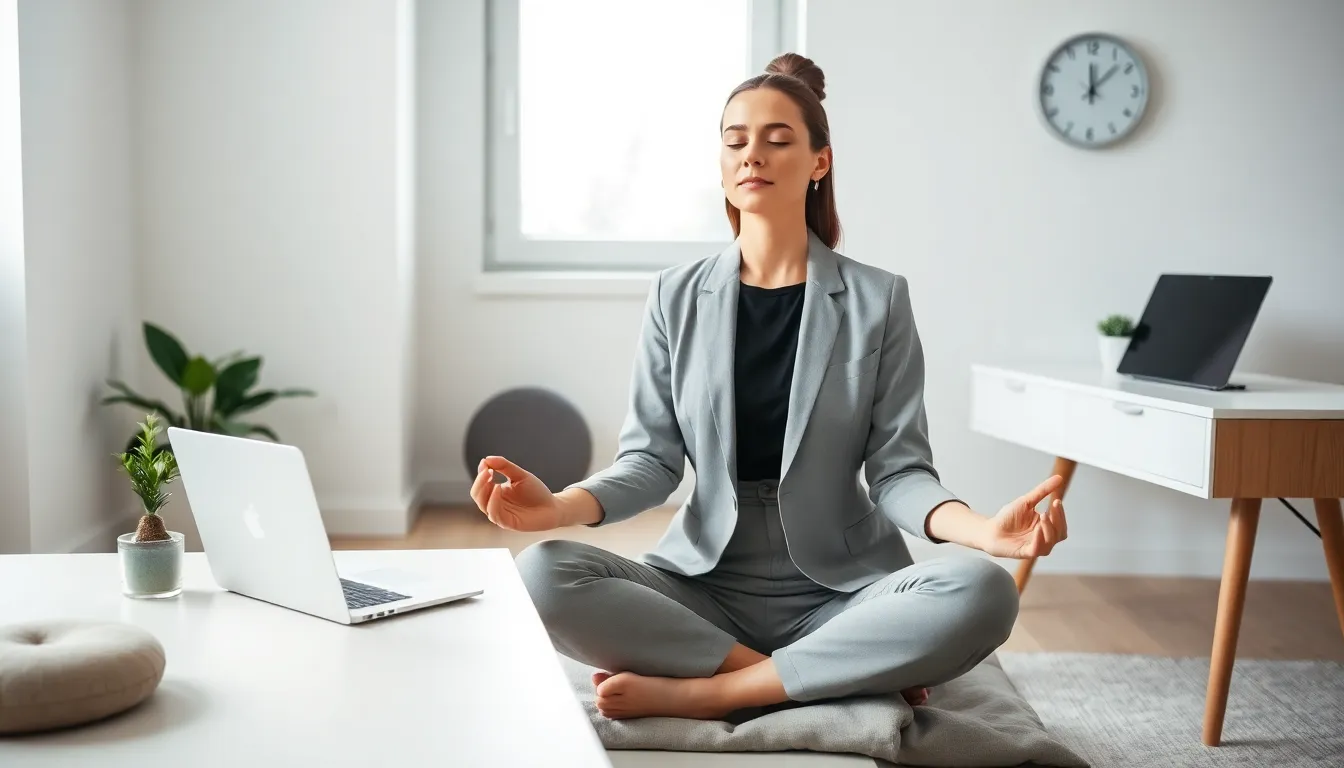
A mindfulness practices guide can help anyone reduce stress, improve focus, and feel more present in daily life. But where does a beginner actually start? This guide breaks down mindfulness into practical steps anyone can follow. Readers will learn what mindfulness is, discover simple techniques they can try today, and find out how to build a sustainable routine. Whether someone has five minutes or an hour, mindfulness practices offer real benefits backed by research. Let’s get into it.
Table of Contents
ToggleKey Takeaways
- Mindfulness practices help reduce stress, improve focus, and support better sleep by training your brain to stay present.
- Start with simple breathing exercises or a body scan meditation—both require no experience and take just a few minutes.
- Build a sustainable mindfulness routine by starting with 5 minutes daily and attaching practice to an existing habit.
- Your mind will wander during practice, and that’s normal—the goal isn’t to stop thinking but to notice thoughts and refocus.
- Consistency matters more than duration; regular short sessions compound into noticeable benefits over weeks.
- Use guided meditation apps like Headspace or Calm to stay focused while learning proper mindfulness techniques.
What Is Mindfulness and Why Does It Matter?
Mindfulness is the practice of paying attention to the present moment without judgment. It sounds simple, but most people spend their days on autopilot. They worry about tomorrow, replay yesterday, or scroll through their phones while eating dinner. Mindfulness practices interrupt that pattern.
The concept comes from Buddhist meditation traditions but has been adapted for secular use. Jon Kabat-Zinn popularized mindfulness in Western medicine through his Mindfulness-Based Stress Reduction (MBSR) program in the 1970s. Since then, thousands of studies have explored its effects.
So why does mindfulness matter? Research shows mindfulness practices can:
- Reduce symptoms of anxiety and depression
- Lower cortisol levels (the stress hormone)
- Improve working memory and concentration
- Help regulate emotions
- Support better sleep quality
A 2014 meta-analysis published in JAMA Internal Medicine found that mindfulness meditation programs showed moderate evidence of improving anxiety, depression, and pain. That’s significant because these benefits came without medication or expensive interventions.
Mindfulness practices also change the brain. Studies using MRI scans have shown that regular meditators have increased gray matter in areas associated with learning, memory, and emotional regulation. The amygdala, the brain’s fear center, actually shrinks with consistent practice.
For beginners, the most important thing to understand is this: mindfulness isn’t about clearing the mind. It’s about noticing what’s happening right now. Thoughts will come. The practice is simply returning attention to the present, again and again.
Simple Mindfulness Techniques to Try Today
Getting started with mindfulness practices doesn’t require special equipment or hours of free time. These two techniques work well for beginners and take just a few minutes.
Breathing Exercises
Breathing exercises are the foundation of most mindfulness practices. They work because breathing is always happening in the present moment. It’s an anchor.
Here’s a simple technique to try:
- Sit comfortably with feet flat on the floor
- Close the eyes or soften the gaze
- Breathe in through the nose for 4 counts
- Hold for 4 counts
- Exhale through the mouth for 6 counts
- Repeat for 5-10 cycles
This pattern activates the parasympathetic nervous system, which calms the body’s stress response. Many people notice their shoulders drop and their jaw relax after just a few breaths.
Another option is simple breath awareness. Instead of controlling the breath, just observe it. Notice the sensation of air entering the nostrils. Feel the chest rise and fall. When the mind wanders (it will), gently bring attention back to breathing. That’s it. That’s the whole practice.
Body Scan Meditation
The body scan is a mindfulness practice that builds awareness of physical sensations. It’s especially helpful for people who hold tension without realizing it.
To do a body scan:
- Lie down or sit comfortably
- Close the eyes
- Start at the top of the head
- Slowly move attention down through each body part
- Notice any sensations, tingling, warmth, tightness, or nothing at all
- Continue down to the toes
- Take a few deep breaths before finishing
A full body scan takes about 10-20 minutes, but shorter versions work too. Even a 3-minute scan during a lunch break can reset the nervous system.
Both of these mindfulness practices require no experience. They can be done at a desk, in bed, or on a park bench. The key is starting somewhere.
How to Build a Daily Mindfulness Routine
Knowing techniques is one thing. Actually practicing them daily is another. Here’s how to make mindfulness practices stick.
Start small. Five minutes is enough. Many beginners set ambitious goals, 30 minutes every morning., and then quit after three days. A sustainable routine beats an impressive one.
Attach it to an existing habit. This is called habit stacking. Practice mindfulness right after brushing teeth, before the morning coffee, or during the commute. The existing habit becomes a trigger for the new one.
Pick a consistent time. Morning works well because it sets the tone for the day. But evening practice can improve sleep. The “best” time is whatever time actually happens.
Create a dedicated space. It doesn’t need to be fancy. A corner of a room with a cushion works fine. Having a specific spot signals to the brain that it’s time to practice.
Use guided meditations at first. Apps like Headspace, Calm, and Insight Timer offer free guided sessions. A voice can help beginners stay focused and learn proper technique.
Track progress. A simple checkmark on a calendar provides motivation. Seeing a streak of practice days makes skipping feel harder.
Mindfulness practices compound over time. The benefits aren’t always obvious after one session, but after a few weeks, most people notice they react less impulsively, feel calmer under pressure, and sleep better. Consistency matters more than duration.
Common Challenges and How to Overcome Them
Every beginner faces obstacles with mindfulness practices. Knowing what to expect makes it easier to push through.
“I can’t stop thinking.” Good news: that’s not the goal. The mind produces thoughts, that’s its job. Mindfulness practices don’t eliminate thinking. They create space between stimulus and response. When a thought appears, notice it and return to the breath. Each return is a rep, like a bicep curl for attention.
“I don’t have time.” This one’s common but usually not true. Most people have 5 minutes. They spend more time than that scrolling social media or waiting for coffee. Mindfulness practices fit into small pockets of time. Three minutes of breathing exercises count.
“I keep falling asleep.” This happens, especially with body scans. Try practicing earlier in the day or sitting upright instead of lying down. Some drowsiness is normal, it often means the body needs rest.
“I feel more anxious when I practice.” For some people, sitting quietly brings up uncomfortable feelings. This is actually a sign the practice is working. Mindfulness creates awareness of what’s already there. If anxiety feels overwhelming, try shorter sessions or walking meditation instead.
“I forgot to practice… again.” Set a phone reminder. Put a sticky note on the bathroom mirror. Ask a friend to check in. External cues help until the habit becomes automatic.
Mindfulness practices aren’t about perfection. They’re about showing up, even imperfectly. A distracted 5-minute session is infinitely better than no session at all.