
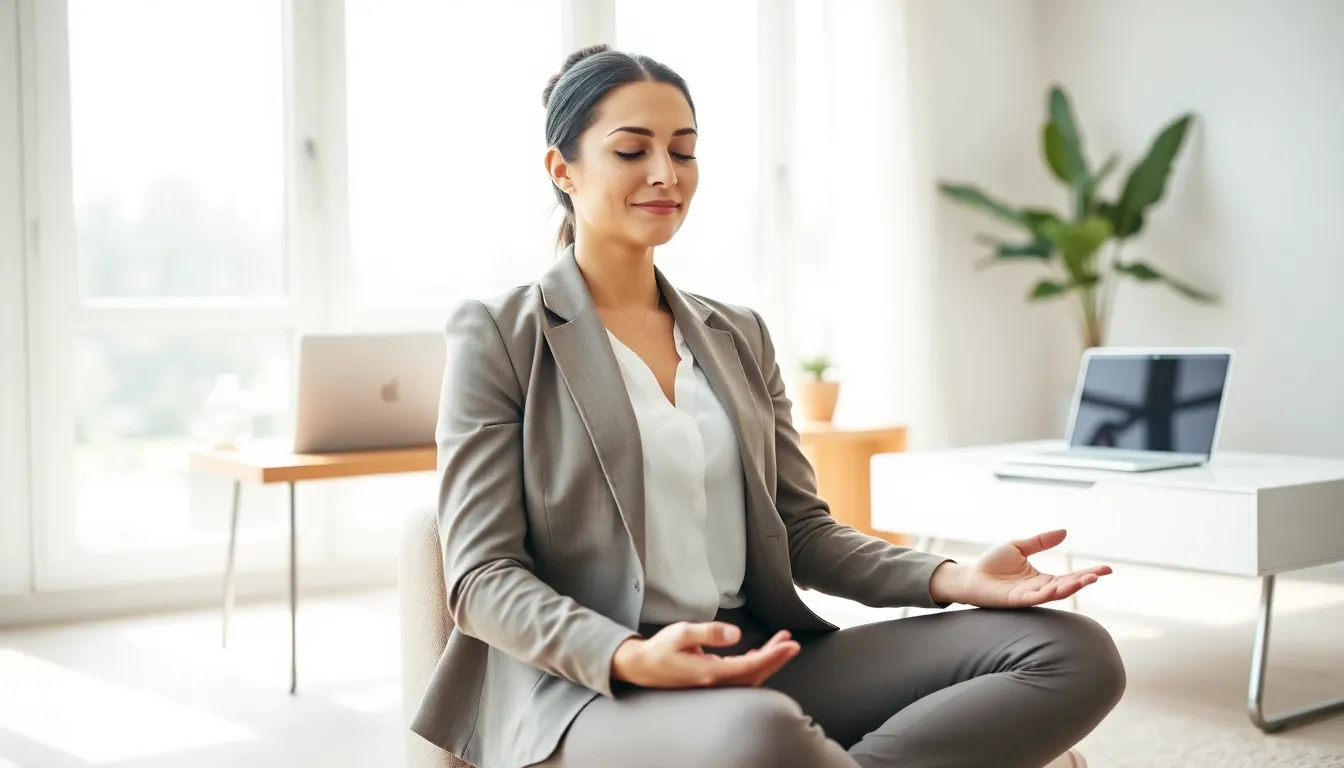
The best mindfulness practices help people reduce stress, improve focus, and feel more present in their daily lives. Research shows that regular mindfulness practice can lower cortisol levels by up to 25% and improve attention span within just eight weeks. Whether someone is new to mindfulness or looking to deepen their existing practice, these techniques offer practical ways to create lasting change. This guide covers proven methods, from breathing exercises to body scans to mindful movement, that fit into any schedule.
Table of Contents
ToggleKey Takeaways
- The best mindfulness practices—including breathing exercises, body scans, and mindful movement—can lower cortisol levels by up to 25% and improve focus within eight weeks.
- Box breathing and 4-7-8 breathing techniques provide instant stress relief anywhere, requiring no equipment and only a few minutes to activate your body’s relaxation response.
- Body scan meditation helps identify and release physical tension before it becomes chronic pain, making it especially valuable for stress management and better sleep.
- Mindful movement like walking meditation and yoga offers an accessible alternative for those who find seated meditation difficult or restless.
- Start with just two to five minutes daily and anchor your mindfulness practice to existing habits like morning coffee or bedtime for lasting consistency.
- Apps like Headspace and Calm can support beginners, but practicing without guidance eventually builds deeper mindfulness skills.
What Is Mindfulness and Why Does It Matter
Mindfulness is the practice of paying attention to the present moment without judgment. It involves noticing thoughts, feelings, and physical sensations as they occur. Rather than reacting automatically, mindful individuals observe their experiences with curiosity and acceptance.
The benefits of mindfulness practices extend far beyond stress relief. Studies from Harvard Medical School show that mindfulness meditation can actually change brain structure. After eight weeks of practice, participants showed increased gray matter in areas linked to learning, memory, and emotional regulation.
Mindfulness matters because modern life pulls attention in countless directions. The average person checks their phone 96 times per day. This constant distraction creates mental fatigue and anxiety. Mindfulness practices offer a way to reclaim focus and find calm amid the noise.
People who practice mindfulness regularly report better sleep, improved relationships, and greater emotional resilience. They handle difficult situations with more clarity. They also experience fewer symptoms of depression and anxiety. These benefits make mindfulness one of the most accessible mental health tools available today.
Breathing Exercises for Instant Calm
Breathing exercises rank among the best mindfulness practices for immediate stress relief. They require no equipment and work anywhere, at a desk, in traffic, or before an important meeting.
Box Breathing
Box breathing uses a simple four-count pattern. Inhale for four seconds, hold for four seconds, exhale for four seconds, and hold again for four seconds. Navy SEALs use this technique to stay calm under pressure. It activates the parasympathetic nervous system and slows heart rate within minutes.
4-7-8 Breathing
Developed by Dr. Andrew Weil, this method involves inhaling for four counts, holding for seven, and exhaling for eight. The extended exhale triggers relaxation responses in the body. Many people find this technique helpful for falling asleep.
Diaphragmatic Breathing
Also called belly breathing, this practice focuses on deep breaths that expand the abdomen rather than the chest. Place one hand on the stomach and one on the chest. The goal is to feel the belly rise while the chest stays relatively still. This type of breathing increases oxygen intake and promotes full relaxation.
These mindfulness practices work best when practiced consistently. Even three minutes of focused breathing can shift someone out of fight-or-flight mode and into a calmer state.
Body Scan Meditation Techniques
Body scan meditation is a foundational mindfulness practice that builds awareness of physical sensations. Practitioners systematically move their attention through different body parts, noticing tension, comfort, or neutrality in each area.
To begin a body scan, lie down or sit comfortably. Close the eyes and take several deep breaths. Start at the top of the head and slowly shift attention downward, through the face, neck, shoulders, arms, chest, abdomen, hips, legs, and feet.
The goal isn’t to change anything. Simply notice what’s present. Some areas might feel tight or uncomfortable. Others might feel warm or relaxed. The practice teaches people to observe their bodies without trying to fix or judge what they find.
Body scans typically take 10 to 45 minutes, depending on the level of detail. Beginners can start with shorter sessions and gradually extend the practice. Many guided meditations apps offer body scan recordings that make it easy to follow along.
This mindfulness practice proves especially useful for people who hold stress in their bodies. Regular body scans help identify patterns of tension before they become chronic pain. Athletes use body scans to improve performance and recovery. People with insomnia often find that body scans help them relax enough to fall asleep.
Mindful Movement and Walking Practices
Not all mindfulness practices require sitting still. Mindful movement offers an excellent alternative for people who find traditional meditation difficult or boring.
Walking Meditation
Walking meditation turns an ordinary activity into a mindfulness practice. The key is to walk slowly and deliberately, paying attention to each step. Notice the sensation of feet touching the ground. Feel the shift of weight from heel to toe. Observe the movement of legs and arms.
Walking meditation can happen indoors or outdoors. A 10-foot path provides enough space to walk back and forth. Outdoor walks add sensory elements, birds singing, wind blowing, sunlight filtering through trees.
Mindful Yoga
Yoga naturally combines movement with breath awareness. Practitioners who approach yoga mindfully focus on sensations rather than achieving perfect poses. They notice how muscles stretch, where they feel resistance, and when to ease off.
Even simple poses become powerful mindfulness practices when done with full attention. Mountain pose, for example, involves standing still and noticing balance, breath, and posture.
Everyday Movement
Any activity can become mindful. Washing dishes, folding laundry, or gardening all offer opportunities to practice presence. The secret is bringing full attention to the task at hand rather than letting the mind wander to past regrets or future worries.
These movement-based mindfulness practices suit people who feel restless during seated meditation. They also integrate easily into daily routines.
How to Build a Consistent Mindfulness Routine
Knowing about mindfulness practices means little without consistent application. Building a sustainable routine requires strategy and realistic expectations.
Start Small
Beginners often make the mistake of committing to long daily sessions. This approach usually fails. Instead, start with just two to five minutes per day. Short sessions build the habit without feeling burdensome. Once the practice feels automatic, gradually increase duration.
Anchor to Existing Habits
Link mindfulness practice to something already part of daily life. Practice breathing exercises right after morning coffee. Do a body scan before bed. Try walking meditation during a lunch break. These anchors create natural triggers that make remembering easier.
Choose a Consistent Time
Morning practice works well for many people because it sets a calm tone for the day. But, the best time is whatever time actually happens. Someone who consistently practices at night will see better results than someone who plans to practice in the morning but rarely does.
Use Technology Wisely
Apps like Headspace, Calm, and Insight Timer provide guided mindfulness practices for every level. They offer reminders, track progress, and make starting easier. But, technology should serve as a tool, not a crutch. Eventually, practicing without guidance builds deeper skills.
Expect Setbacks
Missing a day, or a week, doesn’t mean failure. Mindfulness itself teaches non-judgment. When practice lapses, simply begin again without self-criticism. The best mindfulness practices fit naturally into life rather than feeling like another obligation.